

New Homes Vs. Established Homes
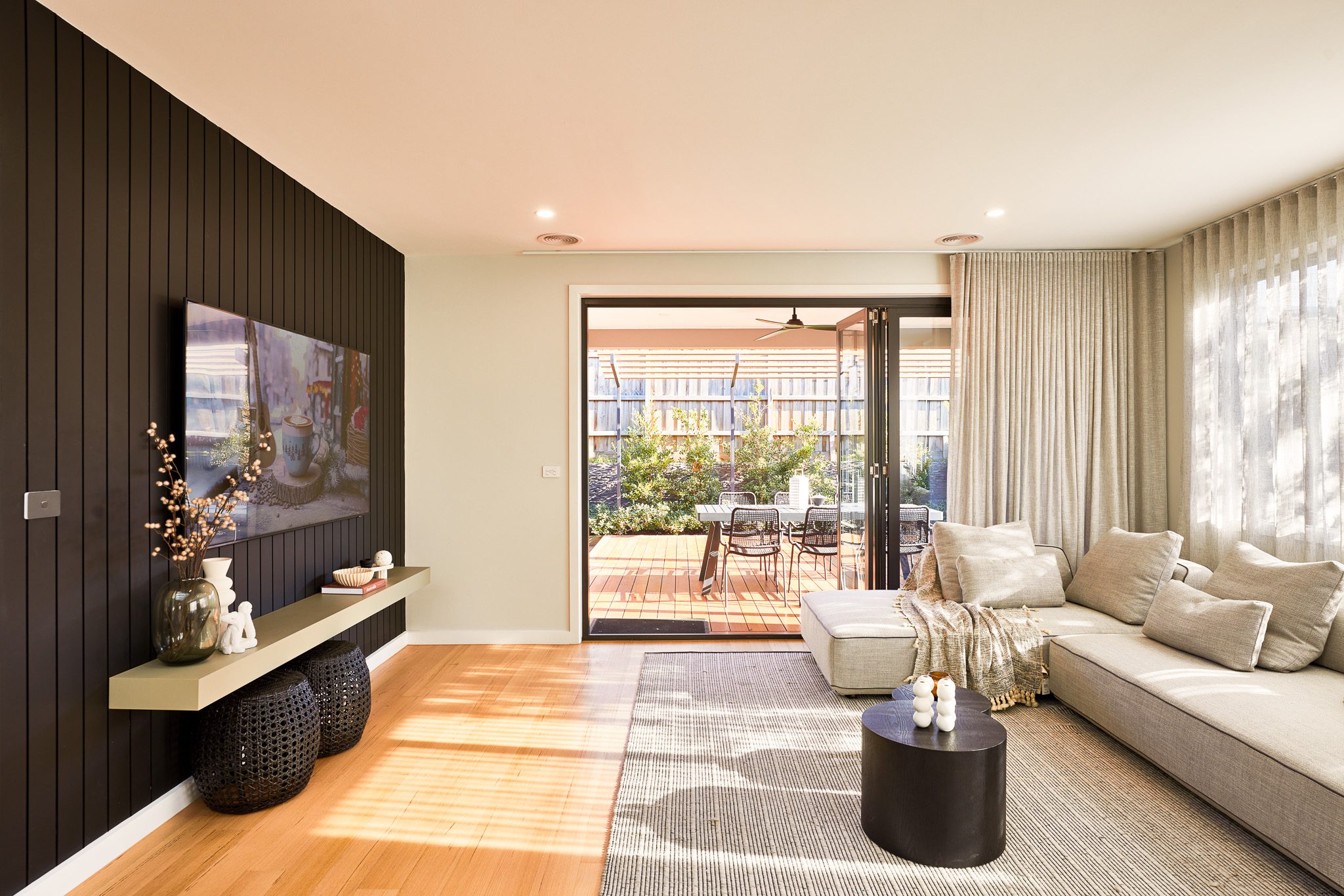
Choosing between a new or established home is a big decision, and it’s about more than just the upfront price. It comes down to how you want to live, the lifestyle you’re hoping for, and the kind of value you’ll get over the long run. Both options have their strengths, but when you look at things like liveability, sustainability, and communities designed with the future in mind, new homes in well-planned neighbourhoods can be a very appealing choice.
Balancing upfront cost and long-term savings
Yes, established homes may appear less expensive initially, especially in mature suburbs. However, they can carry hidden costs: ageing infrastructure, outdated design, and higher maintenance needs. Building new lets you avoid renovation pitfalls and enter a home already tailored to your needs.
These days, new properties must meet at least 7-star energy efficiency standards. This can help to lower ongoing utility bills and reduced maintenance costs. In fact, according to Sustainability Victoria, 7-star homes are around 20-25% more efficient to run than a 6-star home. Imagine how much more efficient a new home is compared to older homes that often struggle to achieve 3-star efficiency!
Designed for the 21st century
You might have heard the term “dormitory suburb” before and wondered what it means. Well, it refers to areas that were largely designed for people to sleep at home and commute elsewhere for work, shopping, and leisure. These suburbs are typically car-dependent, with limited local services, and very little thought given to walkability, community connection, or access to amenities.
By contrast, today’s masterplanned communities are intentionally designed to bring essential services closer to home. Schools, parks, shops, and public transport are integrated into the local neighbourhood so residents can enjoy shorter commutes, active lifestyles, and stronger connections with neighbours.
Future growth potential
While established homes in mature suburbs benefit from proven capital growth history, buying early into a fast-growing new area can position buyers to capture upside as demand and amenities grow. According to realestate.com.au, house-and-land packages frequently offer lower entry costs in outer suburbs versus established prices in the same area. And because of the value of new infrastructure that’s added by the developer, buying in a new masterplanned community can see higher and faster property value trajectories over the short and medium term.
That said, it’s always important to research local growth drivers and infrastructure commitments to make a well-informed decision before you buy.
A fresh new start
One of the biggest drawcards of buying new is the freedom of choice. From day one, you can shape your home to your life—choosing your builder, floorplan, façade, finishes and features that matter to you. No inherited wear and tear, no patchwork renovations—just a home that works the way you live. And because it’s yours from the ground up, there’s a real sense of pride and ownership that comes with stepping over the threshold of a place you created—your home, your way.
While building a home can feel daunting, today’s volume builders often lock in prices and construction timelines, reducing uncertainty. Further bolstering consumer confidence, Victoria recently strengthened its regulatory landscape, led by the Building and Plumbing Commission. The new powers demand builders have appropriate insurance in place before they build and can compel builders to fix work that’s not up to standard, including after the building has been occupied.
Taken together, these measures give buyers more peace of mind—financially, emotionally and practically.
Grants & concessions
On top of the long-term cost benefits, if you’re a buyer in Victoria there are a range of financial incentives that significantly lower the barrier to entry on a new home:
- First Home Owner Grant (FHOG): A one-off $10,000 grant for eligible new homes valued up to $750,000, with regional buyers able to access up to $20,000 in certain areas (gov.au)
- First Home Guarantee: Australian government initiative that allows eligible first-home buyers to purchase a home with a minimum 5% deposit instead of the usual 20%, without paying Lenders Mortgage Insurance, with no income caps and the Victorian property price cap has been increased to $950,000.
- Stamp duty exemptions & concessions: Full exemption for first home buyers on properties up to $600,000, with concessional rates applying up to $750,000.
- Off-the-Plan stamp duty concession: Stamp duty is calculated on the land value only, often delivering major savings on apartments, townhouses, and units purchased before completion. Anyone buying an apartment, unit or townhouse of any value off-the-plan can claim the concession.
- And of course, the big recent announcement by the Federal government has brought forward the First Home Guarantee to October 1. This means that first home buyers only need 5% to get into their first home, with no lenders mortgage insurance penalty. Combined with other grants and incentives, buying a new home has never looked more appealing.
The bottom line
At the end of the day, there’s no one-size-fits-all answer. Every buyer’s situation is unique. But if you value long-term savings, modern design, and a community that’s built with the future in mind, exploring new homes can be a smart move. For first-home buyers in particular, the combination of grants, concessions, and buyer protections makes this an ideal time to consider building new.
View our available new homes here at River Valley
 Back to News & Updates